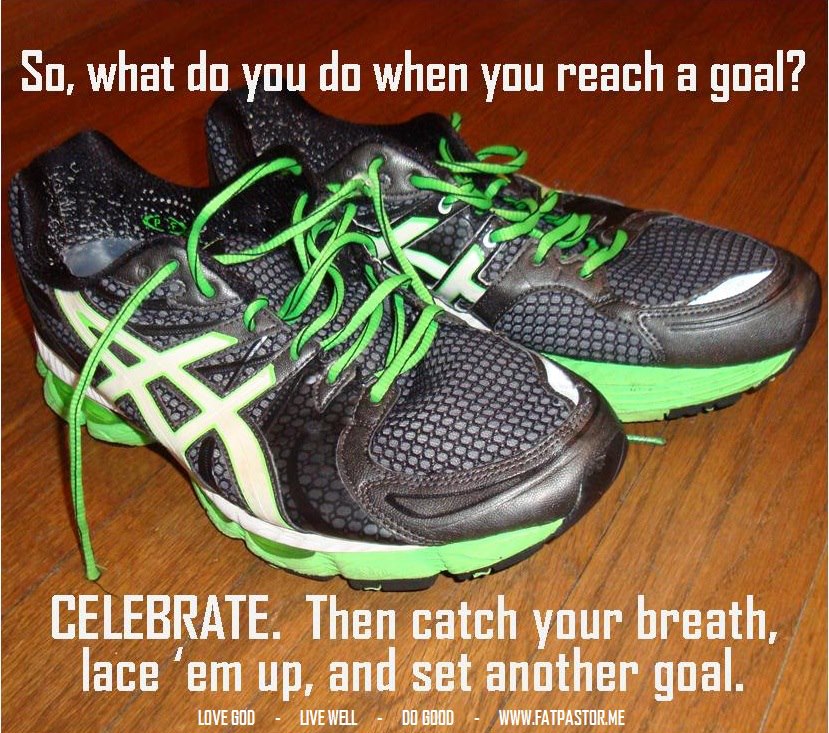
So, what do you do when you fall short of a goal?

Image

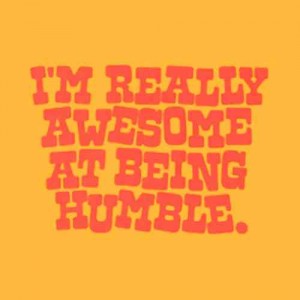
I created this meme in February, shortly after reaching my goal weight of 260, down from 329.  Now seven months later I have to ask myself another question: “What do you do when you fall short of the goal?”

Sunday was the Quad City Marathon.  At 7:30 a.m. on Sunday a few thousand people gathered at the starting line, which was just a few blocks from where I was sitting as I prepared for worship.

That was not the plan.

I was supposed to be out there.  I was supposed to be taking on my next great challenge.  I was supposed to be conquering the half-marathon.  Instead, I was in my office, going over my outline one last time, making sure I had my sermon ready.

I consider preaching a tremendous honor.  I always find it remarkable that over 200 people are willing to gather and listen to me talk for 20 minutes.  I understand that there is a lot more than that going on in worship, but it is still a very humbling experience.  As an Associate Pastor, I usually jump at the chance to preach.  It is probably my favorite thing to do in ministry.  Yet on this Sunday, I was a little disappointed.  I did not let this affect my preaching, but I knew I was only available to preach that Sunday because I had fallen short of a goal.

In May I finished a 10-mile run in Chicago.  It was a great experience.  I met my goal of finishing the race in under 100 minutes.  Shortly after the race, I decided that I could go farther.  I set a new goal – run the Quad City Half Marathon.  Up to that point, I had made a habit of crushing goals.  Finish a 5K? Did that in June 2012.  Run a full 5K without walking? October 2012.  Run a 5K in less than 30 minutes? March 2013.  I even won a running trophy in June, something that I had not even considered possible.  I watched the movie “Spirit of the Marathon,” and was convinced that there was nothing that could stop me from the September half-marathon.  “Who knows?” I thought with much gravitas. “After I knock of the half in September, the Chicago marathon will be doable in October.”

Then the summer happened.  Vacation, lack of regular schedule, and various excuses hit me.  The next thing I knew, I had lost a few minutes off of my 5K, gained 10 pounds, and running 13.1 miles seemed impossible again.  I had a pretty good winning streak going, but streaks were made to be snapped right?

It hurts, but this will not defeat me.  I had a setback, but I will continue.  Since writing about my backslide in the middle of the summer, I have gotten back to running and lifting more regularly.  I’m back down five pounds, meaning I’ve kept under my goal weight for seven months.  I have a chest cold right now, so I’m not pushing the cardio-vascular, but I’ve gained strength during my cold.  I signed up for another race next Saturday.  It’s an 8K (roughly 5 miles), a distance I’ve never done.  I’m probably going to run another 5K at the end of October, and my goal is to set another PR.

Getting back to my first question; I think the answer is remarkably similar to what I did all those times I reached my goals.  “What do you do when you reach a goal?” The answer was simple. “Celebrate.  Then catch your breath, lace ’em up, and set another goal.”  What should I do after falling short of my goal?  Reflect. Then forgive myself, lace ’em up, and set another goal.

I didn’t run the Half Marathon, but there will be another.  I’m pretty certain that The Chicago Marathon will be run in 2014, and Chicago is beautiful in October.


Follow The Fat Pastor on Facebook

Follow @FatPastor on Twitter

6 Comments

September 26, 2013 · 4:34 pm

The strangest of them all

ImagePhyllis Tickle calls it “The most difficult parable of them all.” David Lose calls it “The most confusing parable.”  The New International Version labels it “The Parable of the Shrewd Manager.”  The New Revised Standard uses the word “Dishonest” instead of shrewd.  The Common English Bible goes it different direction with the subheading “Faithfulness with Money.”

All parables have an element of strangeness.  That is sort of the point of them.  Jesus uses parables to teach about the Kingdom of God, which is a strange concept.  Forgiveness, compassion, self-sacrifice, these are counter-cultural concepts that take strange stories to understand. Some parables are strange because we don’t understand the cultural weight of words like Levite or Samaritan.  Some parables are strange because of the actions people take (who would plant a weed – one that gets really big – in a garden?) Yet despite the general strangeness of Jesus’ parables, the one found in Luke 16:1-13 seems to be the three-dollar bill.

It is a story of an owner and a manager.  The owner discovers that his manager has been dishonest, fearing that he is going to be fired, the manager decides to do some dealing.  Facing impending unemployment, he decides to make some quick deals so that “people will welcome me in their houses.”  He goes to a few of the owner’s clients and settles their debt at much lower rates.  Collecting about half as much as they owe, the manager figures that the clients will be grateful to him, and treat him well in the future.  The owner finds out about the tactics, and this is where it gets strange.

The owner commends the man for acting “shrewdly” in the NIV and NRSV, “cleverly” in the CEB.  What?  The manager, who was already identified as dishonest, goes about being more dishonest, and the owner praises him?  This one is a tough one to figure out.  Why would the owner praise him?  In most parables, the owner or master is supposed to be God.  Here we seem to have God praising a man that screwed him.  There is only small consolation in remembering that the disciples rarely understood Jesus’ strange stories either.

So what are we left with?  What is the good news?  I think it comes down to the same place that most of Jesus’ strange stories come to: relationships.  At the beginning of the story, we have many strained relationships.  There is a strained employer-employee relationship.  There are debts and debtors.  What are we left with at the end of the story?  Reconciled relationship and cancelled debt.  It makes no sense for the owner to praise someone for cancelling the debts people owed him.  He did not get what was coming to him, and yet he celebrated.

Perhaps a quick scan around the rest of the Gospel of Luke will help lift the fog from this confusing story.  Remember when Jesus taught the disciples to pray? Back in chapter 11, he tells them “Give us each day our daily bread.  And forgive us our sins, for we ourselves forgive everyone indebted to us.”  What if Jesus actually meant that?  “But wait!” you might be saying, “He wasn’t talking about money.  He was talking about sin, and you know, trespasses (whatever that is supposed to mean).”  All I have to say is, really?  You don’t think Jesus was talking about money?  This is the Gospel of Luke we’re talking about, the one that says “Blessed you that are poor… Blessed are you who are hungry now…” not “Blessed are the poor in spirit… Blessed are those who hunger and thirst for righteousness” like the Gospel of Matthew.   It is in the Gospel of Luke that Jesus says, “None of you can become my disciple if you do not give up all your possessions.”  Later he tells a man to “Sell all that you own and distribute the money to the poor, and you will have treasure in heaven; then come, follow me;” (Luke 18:22).  Then he says “it is easier for a camel to go through the eye of a needle than for someone who is rich to enter the kingdom of God'” (Luke 18:24).

And don’t give me the line about the gate in Jerusalem that was called the “Needle’s Eye” or some such nonsense.  There is no archaeological evidence of this mythical gate.  There are, however, many non-canonical uses of a similar phrase to explain something that is really, really hard.

On Episode 29 of the Pulpit Fiction Podcast, Eric and I discuss this difficult parable, and the lament found in Jeremiah 8:18-19:1

On Episode 29 of the Pulpit Fiction Podcast, Eric and I discuss this difficult parable, and the lament found in Jeremiah 8:18-19:1

All of this is to say, maybe Jesus is trying to teach us something about the nature of relationships and money, and our relationships with money.  Perhaps the manager was praised because he put relationships ahead of money.  You could argue that his motivation was less than pure, but in the end, he valued his ability to “be invited into people’s homes” over his ability to please his boss.  And maybe the owner cared more about his manager’s heart than he did about his bottom line.  The Pharisees didn’t get it.  They valued money, and understood that having money was the same as having God’s favor.  Jesus is reminding them that there are things in this world more important than wealth.  Perhaps the level of confusion that this parable stirs is evidence of how remarkably important it really is.  This one blows our mind, because it seems to go against all of our common understanding of fairness.

And that’s just it.  The Kingdom of God has little to do with fairness.  It has little to do with keeping proper ledgers and making sure that everyone gets what is their due.  The Kingdom of God is about relationships.  It is about reconciliation.  It is about forgiving our debts, as we forgive our debtors.  It is not an easy story to hear.  It is sometimes an even harder story to live.  It doesn’t make good economic sense.  Jesus had a funny way of not making  sense.

It doesn’t make sense to plant a weed in a garden.  It doesn’t make sense to ruin a whole vat of flour with some leaven.  It doesn’t make sense to turn your other cheek, throw a party for people that can’t invite you to theirs, leave behind a flock because one sheep strayed, or throw a party for your good-for-nothing son who finally came back home with his tail between his legs.

It doesn’t make sense that God would come to earth and take on flesh.  It doesn’t make sense that God would claim me as his own, or invite me to the Table of Grace.  It doesn’t make sense that Jesus would do all he could for a people that responded by nailing him to a cross.  It doesn’t make sense that tomb was empty, or that disciples have been able to experience Christ in the breaking of bread for centuries since he was said to be dead.

This strange parable is a doozie.  It is a challenge.  It is a challenge to look at what cancelling debt really looks like.  It is a challenge to take a close look at how I serve wealth over God.  It is a challenge to look at how I spend money, how I save money, and how I treat others.  It is a strange one, all right.  Maybe that’s how God intended it.

Listen to the Pulpit Fiction Podcast about this parable

Follow The Fat Pastor on Facebook

Follow @FatPastor on Twitter

7 Comments

Filed under Christianity

A beautiful story in a three minute commercial

I’m not sure what product this commercial is selling. I don’t think I’m one of their intended customers.  It, however, tells a beautiful story.  A story that is ancient and timeless.  It is a story of giving.  What does it mean to give and expect nothing in return?  This seems to be the heart of generosity, and the heart of the Gospel.

Jesus told stories like this.  He told a story of a father that gave a huge party when his wasteful son returned home.  He told a story of workers that were paid the same even though they did not seem to earn it.  He told a story of a wedding feast where all the invited guests didn’t come, so he brought in the people off the streets.

And he told a story about a man, beaten, robbed, and left for dead.  The man was passed by time and again until finally a foreigner found him.  This man took the beaten man, gave him medicine, brought him to an inn, and gave him a chance to live.  It’s funny, Jesus’ story that we know as The Good Samaritan didn’t have a neat little happy ending like the video above.  I’m not sure Jesus would have made a great marketing director.

Instead, Jesus gave us the greatest ending of all.

Follow The Fat Pastor on Facebook

Follow @FatPastor on Twitter

4 Comments

Filed under Christianity, Media

Saturday Snack: Thai Hummus

We have a garden bursting with tomatoes.  This is very good news.  Usually this means salsa.  Lots of salsa.  The problem with salsa though is, it goes best with chips.  Lots of chips.  Avoiding chips has been an important part of my efforts to eat better.  So this year I’ve been using the tomato as the “chip” and dipping them in hummus.  The other day I came across a blog that suggested making a cashew dip.  I wish I could remember where I saw it, but I didn’t save it because it was such a simple idea.  I took that idea, and added a few things to make it my own.

Ingredients:
10 oz bag of roasted cashews
1 TB Sesame Oil
1 TB Siracha
2 cloves minced garlic
1 tp freshly grated ginger
Fresh basil leaves
1/4 tp kosher salt
1/4 cup water

Thai Hummus Step 1

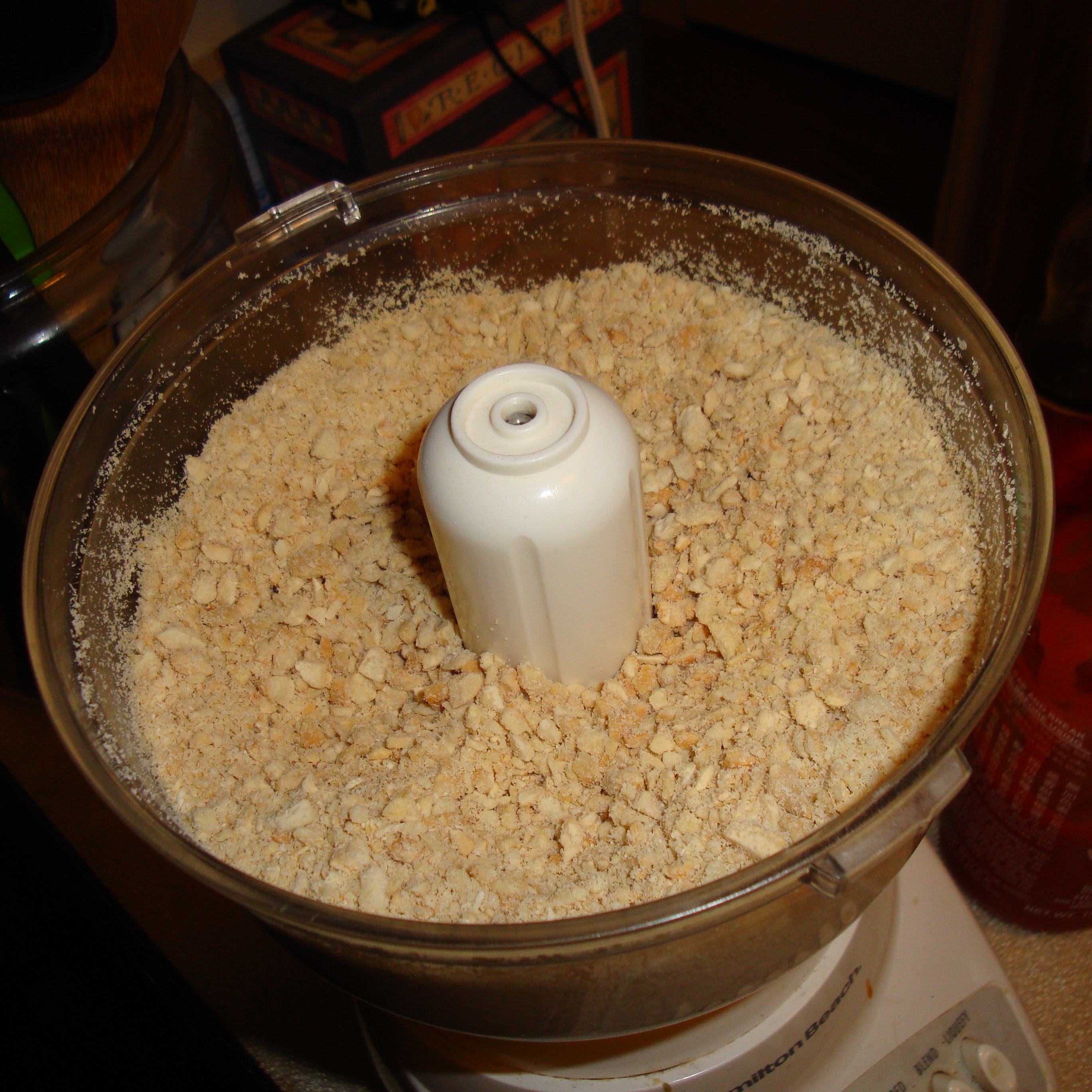
I dumped all the cashews into the food processor, and blended them until they were small crumbs.

???????????????????????????????

Chopped two cloves of fresh garlic.  A tablespoon of the jarred stuff would probably work too.

I actually measured the Siracha.  You can taste it, but I would not call my finished product spicy.  I added the sesame oil, garlic, and grated the ginger into the mix.  I bought ginger a couple of months ago, peeled it, and put it in a freezer bag.  Whenever I want it, I take it out and grate it while it is frozen.  It lasts quite awhile.  I then hit the processor.  It lumped up pretty quickly, and I had to scrape the sides.  If you have a decent food processor you might not have the same problem.  I left the blade going and poured in the water slowly.  That helped get the cashews into more of a paste.

The finished product was a thick paste that could be spooned or spread.  The smoothness is dependent on how long you process it, and how good your processor is.

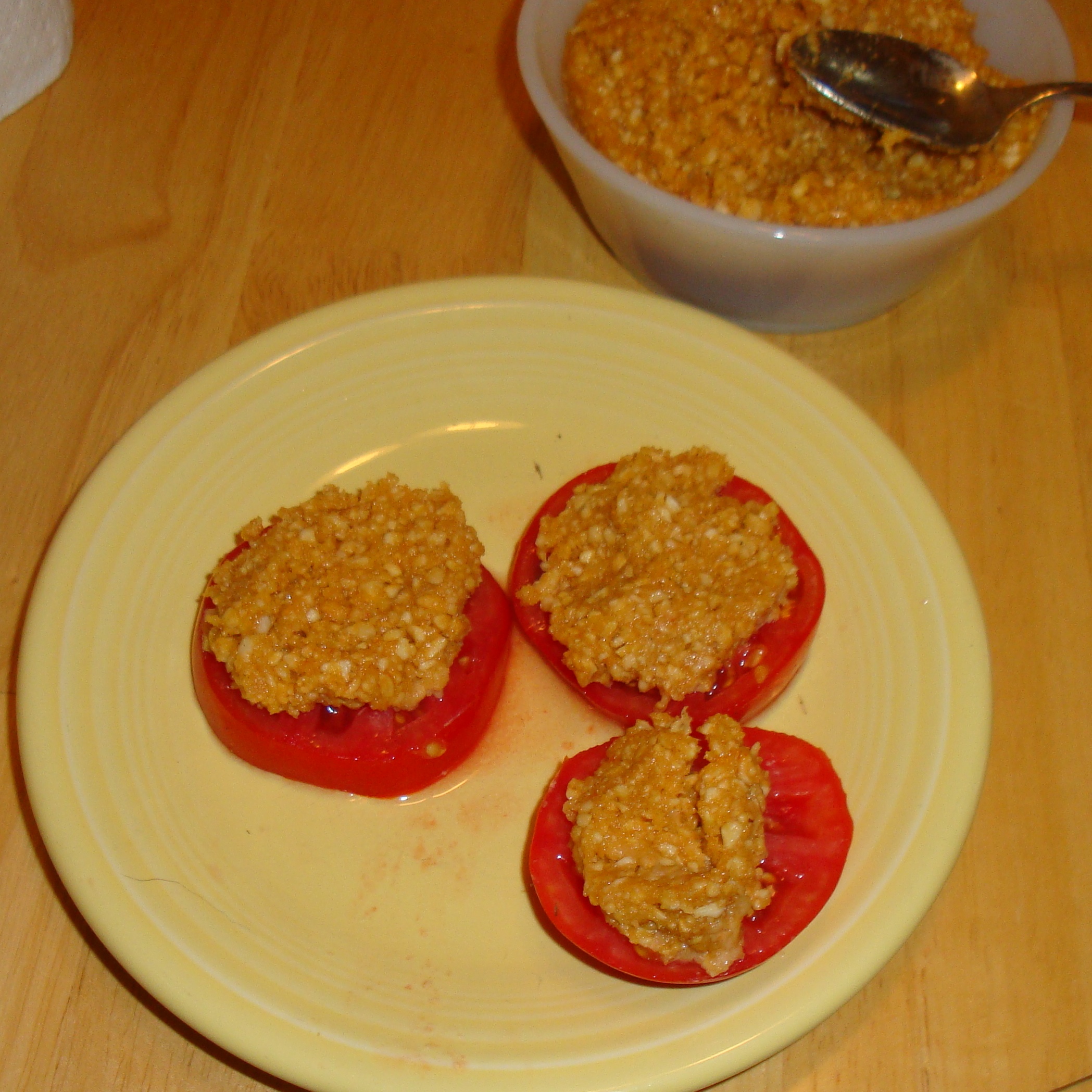
Here I just sliced one of my big tomatoes, and spread the dip onto it.  I will also use it with bell peppers, broccoli, pita bread, and pretty much anything that I would dip into hummus.  The blog I saw suggested adding it to grilled chicken

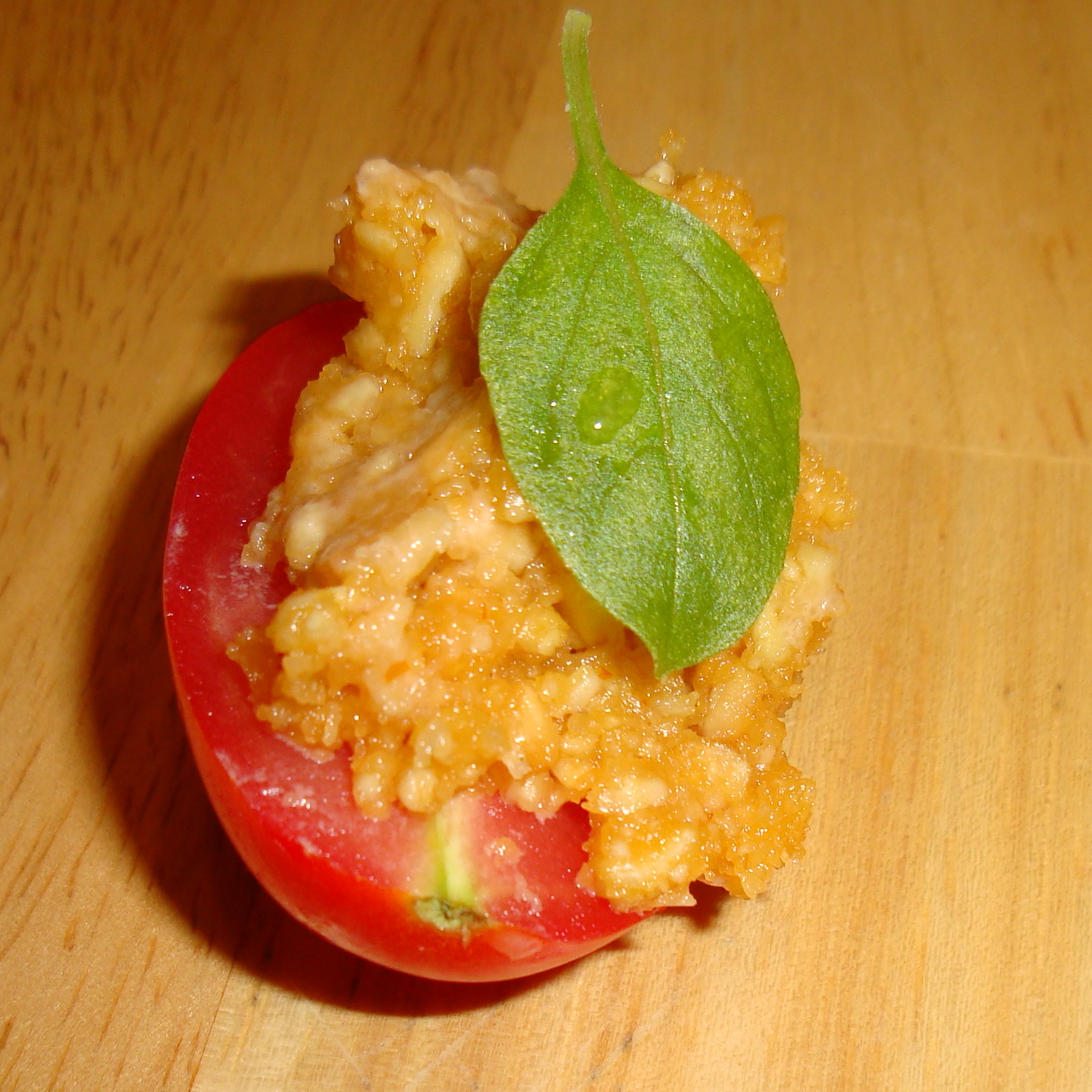
Here I scooped some onto one of my plum tomatoes, and I added a fresh basil leaf.  The basil was a very nice touch, but it is good without it too.

Follow The Fat Pastor on Facebook

Follow @FatPastor on Twitter

2 Comments

Filed under Food

Dedication, Loyalty, Friendship. The beer commercial I watched while chopping onions.

Not much to say here other then, “Watch this.” It is only a minute long, but it left me a little perklempt.

Follow The Fat Pastor on Facebook

Follow @FatPastor on Twitter

2 Comments

September 7, 2013 · 4:33 pm

Live from #LionLamb13

At some point tonight, I’m going to go to sleep.  When I do, I will sleep well.  Not yet though.  First, I have to stop my head from spinning.  I’m not sure how to explain all that happened today at the Lion and Lamb Festival.  I think the only way I can tell you about it is by telling you a story about my little girls.

Within minutes of arriving at Praise Park in Fort Wayne, Indiana, we were greeted by two little girls.  Age six and five, they were delighted to see my two daughters, age six and three.  The four of them became friends immediately, achieving immediate intimacy in a relationship in a way that only children can.  The four spent most of the day together.  “I’m in first grade too!”  They worked on crafts together.  “I like to color too!”  They ran and danced and played together.  “I like soccer too!”  They relished in learning about each other, and sharing the things they loved in an unbridled and unpretentious way.  For a six-year-old, there is no such thing as idle small talk.  There is only genuine discovery.

As a cool breeze slowly transformed the sweltering day into a perfectly pleasant evening, the girls paused for a snack.  They sat on a bed sheet in the field as Amy Cox played on the stage.  I discovered Amy on the Lion and Lamb’s youtube channel.  She was one of many musicians I had been looking forward to hearing.  As she played, I watched as the group of four girls started to grow.  The little community they created expanded.  Soon there were two more girls, and now there were two boys.  They were coloring.  They were looking at the Star Wars books we brought.  They were sharing cookies and apples.  They were dancing.  At this little group of children sat in a circle too perfect to have been planned by any parent.  They each had an apple, and all were dancing as Amy played.

While Amy was playing her beautiful song, “The Table,” which I included in a video below, one of the girls noticed something out of place.  There was another little girl just a few feet away.  She left the circle, tapped the girl on the shoulder and asked her to come play too.

In this moment, the Table was not a table at all.  It was a bed sheet spread on the ground.  There was no bread and wine.  There were apples, and grapes, and pretzels, and there was more than enough to share.  There were soccer balls, and a big field in which to run.  There was music in the air, and a Spirit calling the children to dance.

Lion and Lamb is not an event.  It is a community.  It is a community of people, spreading out a bed sheet, trying to figure out how to invite people to come, have an apple, and play.

It is Erica, a poet who spit her rhymes with a rawness that made me at one moment cringe, at one moment laugh, and at another moment make me bask God’s melody of creation.  She challenged me to step out to use art to proclaim peace and justice, and taught me a new word: artivism.  She inspired me to sit and try to write a poem.  I was shocked, and a little afraid, at what came flowing out of my pen.

It is Bruce, an author, an Asian man, a father, and a grandson of a woman who did not know where to sit in a bus in Little Rock Arkansas because she was not black, but did not see herself as white either.  He taught me another new word, microaggression.

It is Lorelei, who is training women to empower themselves and their communities in business.

It is Richard, a musician who is looking for songs that express a deeper understanding of God, and urges worship leaders to move beyond cliche and rote expressions of religiosity.

It is Rachel, a blogger and author who I admire and encouraged me to find my own voice by listening.  In her talk she challenged “preachers who want to be the next Rob Bell, and writers who want to be the next…” and didn’t fill in the blank, ONLY TWO DAYS AFTER I WROTE THIS: “Can I be the next Rachel Held Evans? Do I even want to be?

Tomorrow I am going to step into the speakers tent, and I am going to offer my voice.  I have already been changed by this community.  The plans I had for the talk I will give have changed too.  Right now I have no idea what I am going to say.  All I am going to do is throw open a sheet, take out a bag of apples, and share Christ’s love with anyone willing to play.

Follow The Fat Pastor on Facebook

Follow @FatPastor on Twitter

http://www.youtube.com/watch?v=Ll6a0caW5LU

1 Comment

Filed under Christianity

The 85th Christian blog you should be reading

ImageLast week Christian Piatt, a Patheos Christian blogger, conducted a survey looking for the “25 Christian Blogs You Should Be Reading.”  Readers and bloggers nominated over 400 Christian blogs.  While it seemed to me that most of them leaned toward the Progressive end of the theological spectrum, there was a pretty wide array of blogs nominated.  I discovered the survey a couple of days into it, and added The Fat Pastor.

I first sent the link to vote for my blog on Facebook at 11 p.m. on Friday night.  I did it once again on Saturday and again on Sunday afternoon.  I tweeted it twice, I think.  I shared the link a few more times on my personal facebook page.  I never thought I’d make the top 25, but I thought I could break into the top 100.

The final vote finished with The God Article as number one, Rachel Held Evans as number two, and The Fat Pastor tied for 85th.  You can see the whole list by clicking here.  I was pretty pleased with finishing tied for 85th, but what was really touching were the comments people made.  I went through the top 100, and mine was one of only four blogs that had seven comments.  And it was not just the seven comments that touched me, but the kindness and appreciation that was expressed in those comments, largely from people I’ve never met face-to-face.  Sure, one of the comments was my brother, but even his words meant a lot to me.  The comments made in the survey read like the back cover of a book.

It was a pretty exciting couple of days as I watched my blog rise through the ranks.  I was thankful to see a couple of my facebook friends not only vote, but share the link with their friends.  I received a little bit of criticism on the Facebook page for the self-promotion, but it was good-natured.  And rest assured, there was nothing anyone said there that I had not already thought of.  Should I care where I am ranked on some list?  Should I care how popular I am?  Why do I write?  Is it to gain a big audience?  What is the mission of this blog?

I’ve been thinking a lot lately about the nature of self-promotion on a Christian blog.  It takes a certain amount of hubris to write a public blog in the first place.  The moment I started The Fat Pastor, I remember thinking, “what do I have to say that other people should care about?”  Nearly five years later I am approaching 300,000 page views.  In the big picture of internet usage, that is barely a blip. At the same time, I think to my self “THREE HUNDRED THOUSAND!”

Does it matter that I’m approaching 300,000 views?  Am I being more faithful to God because I’ve reached this milestone than if I had not reached it?  I remember when I approached 1,000 Facebook followers.  I made a big deal about it on the page, and it turned people off, so they left.  Does the fact that I now have over 2,500 followers on Facebook make me a better writer?  Does that mean I’m a better pastor, or a better Christian, or closer to God?

None of the questions about self-promotion on a Christian blog are easily answered.  It all boils down to the question of mission.  What is the purpose of this blog?  Or put another way, if I suddenly had no facebook followers, no subscribers, no twitter followers, and no page views, would I keep doing it?  If I had a million followers and high traffic on the blog, what would change?

I am a writer and a preacher.  I will write about the love of God and preach the good news of Jesus Christ for as long as I have breath.  I will tell people about the transforming power of God, and I will share that with as many people as I can for as long as I can live.  I will struggle.  I will fail.  I will have doubts and questions, but the truth of who I am will never change.

Is it wrong to seek a larger audience for what I do?  I don’t think so, as long as what I do is point to something greater than me.  As long as what I’m doing is bringing people to the table of grace, then I’m going to keep going.  If my self-promotion takes precedent over God-promotion, then I’m in trouble.  In the meantime, I’m going to search for new audiences, because each audience is full of people – real people – who are longing to hear about the God that loves them, the God that errs on the of grace, the God that can lift all of us out of whatever hole we’ve dug ourselves, the God that can melt hearts, transform communities, and topple kings.

So yes, I wanted to be in the top 25 – because making the top 25 would have allowed me to speak to more people.  I believe in the story I have to tell, so I will continue to tell it. 

I’ve been grappling a lot lately about the future of this blog and the nature of my ministry.  How far should I push this Fat Pastor brand?  And if you’re turned off by my use of the term “brand,” I apologize, but that is exactly what I’ve created here.  I try to write from my heart.  I try to share my passion, joy, and frustrations.  I try to let you into my journey, but no reader will ever know the real me.  I don’t write every thought that pops into my head.  I make choices, and these choices create a separate entity that is not Robb McCoy, but the brand The Fat Pastor.  The Fat Pastor is me, but it is not all of me.  It’s not about being inauthentic, it’s just about having boundaries.  I create logos, and buy domain names, and craft a motto and wonder, what can I do with this blog?

Can I be the next Rachel Held Evans?  Do I even want to be?  Should I open a Fat Pastor store?  Should I sell t-shirts, mugs, and other merchandise?  Can I raise money through this blog to advertise in places to reach more people?  Can I raise money to support ministries?  Can I create a company that could help make a difference in the world?  Are there investors out there that could make it happen?  Should I write a book?  Should I seek more speaking engagements outside my congregation?  Should I open a youtube channel?  Should I live stream worship services?  How many people can I reach?  What does it mean to see “the whole world as my parish?”  To John Wesley it meant that he could get on a box and preach in a park and be just as true to his mission as he was inside a grand Anglican Church.  To me it means something different, and I pray that the Holy Spirit continues to guide me in understanding what it means to me.

I have a big vision for what The Fat Pastor can be.  I have to make sure that it isn’t just my vision, but a God-breathed vision that will build the Kingdom of God, not feed the kingdom of Robb.

Follow The Fat Pastor on Facebook

Follow @FatPastor on Twitter

1 Comment

Filed under Blogging, Christianity

You were made in the image of God, part 2 of our trip to East Saint Louis

Part 1 of our trip to East Saint Louis “Bullets on the Tennis Court”

It is a lesson I have taught dozens of times.  I guess you could say it is one of my “go-to lessons.”  In my estimation, it is a pretty important lesson to teach.  You were made in the image of God.  It is a foundational lesson in the Bible, and the repercussions of understanding it are far-reaching.

On the first day with kids at the Mary Brown Center, we started by getting in a circle.  Sitting at halfcourt of the gym, there were about 12 kids from the center, and 9 of the youth we brought from Moline.  We played an ice-breaker game before I told them a story.

“In the beginning was darkness and chaos.  There was no order, no light, no substance.  Then God spoke, ‘Let there be light.’  And there was light.  And God saw that it was good.  Then God separated the sky and the world, giving shape to the Earth.  And God saw that it was good,”  I was encouraged by the attention I had.

“Then God made the oceans and the dry land. And God saw that it was good.  Then God set the stars, the moon, and the sun in the sky, and everything was ready for life to begin, and God saw that it was good.  Then God filled the sky with birds, and the seas with fish, and filled the earth with animals of every kind.  And all of it was what?”

“Good,” they said.

“Yet God wasn’t done.  It was all there, everything was ready, but something was still missing.  So now I’ll read directly from the Bible: ‘God said, “Let us make humankind in our image, according to our likeness; and let them have dominion over the fish of the sea, the birds of the air, and the animals of the earth.” So God created humankind in God’s image.  In the image of God he created them; male and female he created them.'”

As I read these words, I was able to look at the children sitting around me.  I repeated, “In the image of God, he created them; male and female he created them.”  I was a little surprised at just how rapt they were at this point.  I didn’t need to call their attention to me.  I didn’t have to tell anyone to sit still.  So I went on.

“All of God’s creating work culminated in this act.  God created humanity as the ultimate expression of God’s love and creative work.  God made man and woman, and what did God call them?”

“Good,” they replied in unison.

“Indeed, the Bible says that God called them ‘very good.’  God is still creating.  God created every man and woman in God’s image.  That means that you were created in the image of God.  I was created in the image of God.  You, and you, and you…”  I looked directly into the eyes of the children and youth as I said this, “You were created in the image of God.”

“So what does that mean?”  I asked.  “It means that you should be treated as God’s special creation, who God called ‘good.’  God called you good, so don’t let anyone ever tell you anything different.  And it means more,” I said.  “It means that everyone you meet was also created in the image of God.  Your friends, your Mom, strangers, even people you don’t like.  They were created in the image of God too, and God called them good.  So it is important to treat others for who they are.”

It is a story I have told so many times.  It is always a powerful story to tell, but this time I felt like it was something more.  It is easy to tell a group people that they were created in the image of God when everyone in the group looks alike.  But we sat in this circle and our differences were obvious.  Different races.  Different ages.  Different social classes.  Different home towns.  Everything about us was different.  Yet at the same time there was nothing different.

As we went about the week, we learned more and more just how true this was.  We discovered undeniable truths about the people that God has created.  We love to create.  We love to dance.  We love to play.  We want to feel safe.  We enjoy making friends and connecting to others.

The mission of the trip was simple.  We wanted to share something that we love with new people.  We wanted to share the music, art, and learning that we love with children.  In accomplishing our mission, we did so much more.  We created friendships.  We built connections across all the obvious divides, and called upon something even more obvious, but somehow less well-known.

In so doing, we learned perhaps the most important lesson of the creation stories.  We were made, above all, for relationship.  We were built to be in relationship with God, and with each other.  We were created so that we could create.  We can create art, music, laughter, friendship.  We can create light in the midst of darkness.  We can create order in the midst of chaos.

We were created in the image of God who is a Creator, and who is still Creating.  My prayer is that the relationships we built were built to last, and that none of the kids we met ever forget who and whose they are.

Part 3 – Not goodbye, see you later

Learn more about the mission and ministry of the Lessie Bates Davis Neighborhood House

Follow Fat Pastor on Facebook

Follow @FatPastor on Twitter

Lessie Bates Davis logo

1 Comment

Filed under Christianity

Calvin, the Dad

Calvin, the Dad

I’ve always loved Calvin and Hobbes. When I came across this today, I teared up immediately.  At my Mom and Dad’s house, we kept a lot of the toys that my sister, brother, and I played with as kids.  Now my daughters, nieces, and nephews love them.   I do not know who created this meme, but I found it at http://copingkoala.wordpress.com/

1 Comment

August 21, 2013 · 1:27 pm

Lion and Lamb Festival

lion lambHeatherlyn, Amy Cox, Richard Bruxvoort Colligan, Andrew Peterson.  These are not household names, but I’ve spent the last few weeks listening to them on the Lion and Lamb Festival Youtube and Facebook pages.

They are wonderful, original artists, and I am looking forward to spending two days with them, and with the rest of the Lion and Lamb Festival community.  For two days over Labor Day Weekend, I will be in Fort Wayne, Indiana at the Lion and Lamb Festival.  I am one of a group of speakers, artists, and musicians that are coming together for worship, conversation, and community.

The mission of the Lion and Lamb Festival is to build a “community of hope gathering to share gifts, inspire authentic conversation, and passionately follow God in the world.”  As I read through the list of speakers, I am humbled by my own inclusion.  The gathering speakers are people doing the hard work of justice in the world.  They are an inspiring group of people, and I feel so honored to be a part of it all.

Rachel_Held_Evans_t580The keynote speaker of the event is Rachel Held Evans, whose writing I admire greatly.  She is speaking three times at the festival.  On Saturday she is a part of a “Conversation on Millenials and the Church.”  Later that evening she is a part of the main gathering.  On Sunday she is sitting down for a Q and A about her book “A Year of Biblical Womanhood.”  This is a remarkable book, which I blogged about once.  One of the highlights of my blogging career was when she started following me on Twitter, and retweeted the link to my post.  Imagine then, my excitement to find out that my time slot on Sunday comes on the same stage, immediately after her.  

I am looking forward to this festival for so many reasons.  It is going to include some of my favorite things in this world.  I will be there with my family, camping away from home for first time.  We will listen to inspiring live music.  We will soak up the energy of powerful leaders.  I will have a chance to tell my story to a new audience.  Above all, we will build community.  We will create relationships.

It is going to be an exciting two days.  And I want you to come along.  I have two free passes to the Festival.  If you want to go, let me know in the comments section or on my Facebook page.  Every name that comments (with a valid email address on this page, or on the Facebook page) before Monday, August 19 will be put into a hat.  I’ll draw the winning name on Monday, and post it with a new blog post.

Follow the Fat Pastor on Facebook

Follow @FatPastor on Twitter

Follow @LionLambFest on Twitter


Leave a comment

Filed under Blogging